

BLOG
"Grief cannot be 'fixed,' it can only be carried." -Megan Devine, It's OK That You're Not OK: Meeting Grief and Loss in a Culture That Doesn't Understand


I'll Be the Water
A Story of a Grandparent's Love
Published in 2020
Joshua and his grandfather love being together. More than anything else they love fishing. But Grandpa gets sick and is in the hospital a long time. When he gets out, he and Joshua share one more fishing adventure, and Grandpa promises Joshua that he will always be near. "Think of it this way," Grandpa says. "Today, you and I are like two fish swimming together in this lake. When I die, things will be different. I won't be a fish anymore, but I'll become something even better. My love will be like the water in the lake. You might think I'm not with you, but we'll be closer than ever because you'll be surrounded by my love."

A Stone for Sascha
Published in 2018
A young girl, still reeling from her dog's death, finds solace while picking up stones on the beach during her family's vacation.

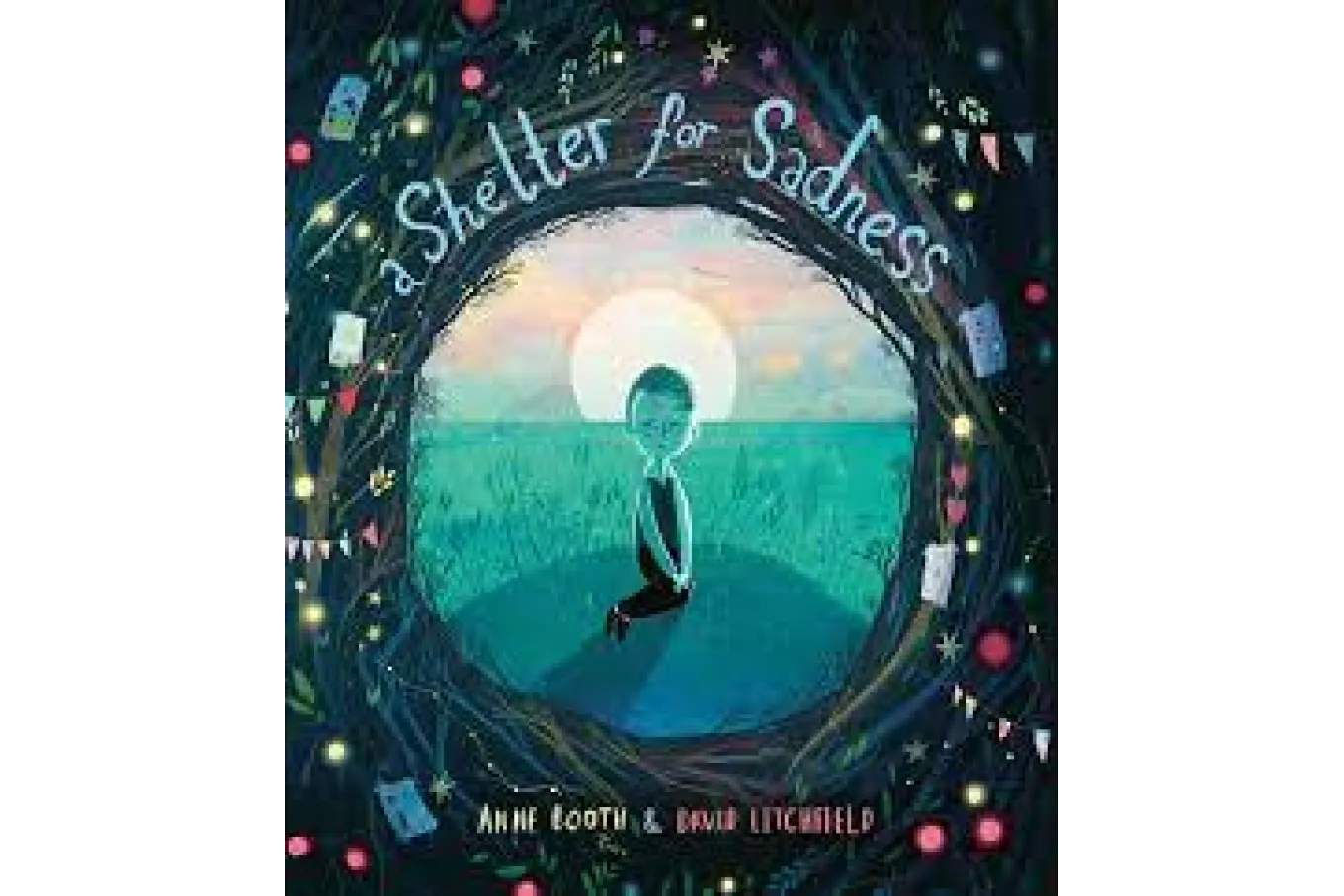
A Shelter for Sadness
Published in 2021
A small boy creates a shelter for his sadness so that he can visit it whenever he needs to, and the two of them can cry, talk, or just sit. The boy knows that one day his sadness may come out of the shelter, and together they will look out at the world and see how beautiful it is.

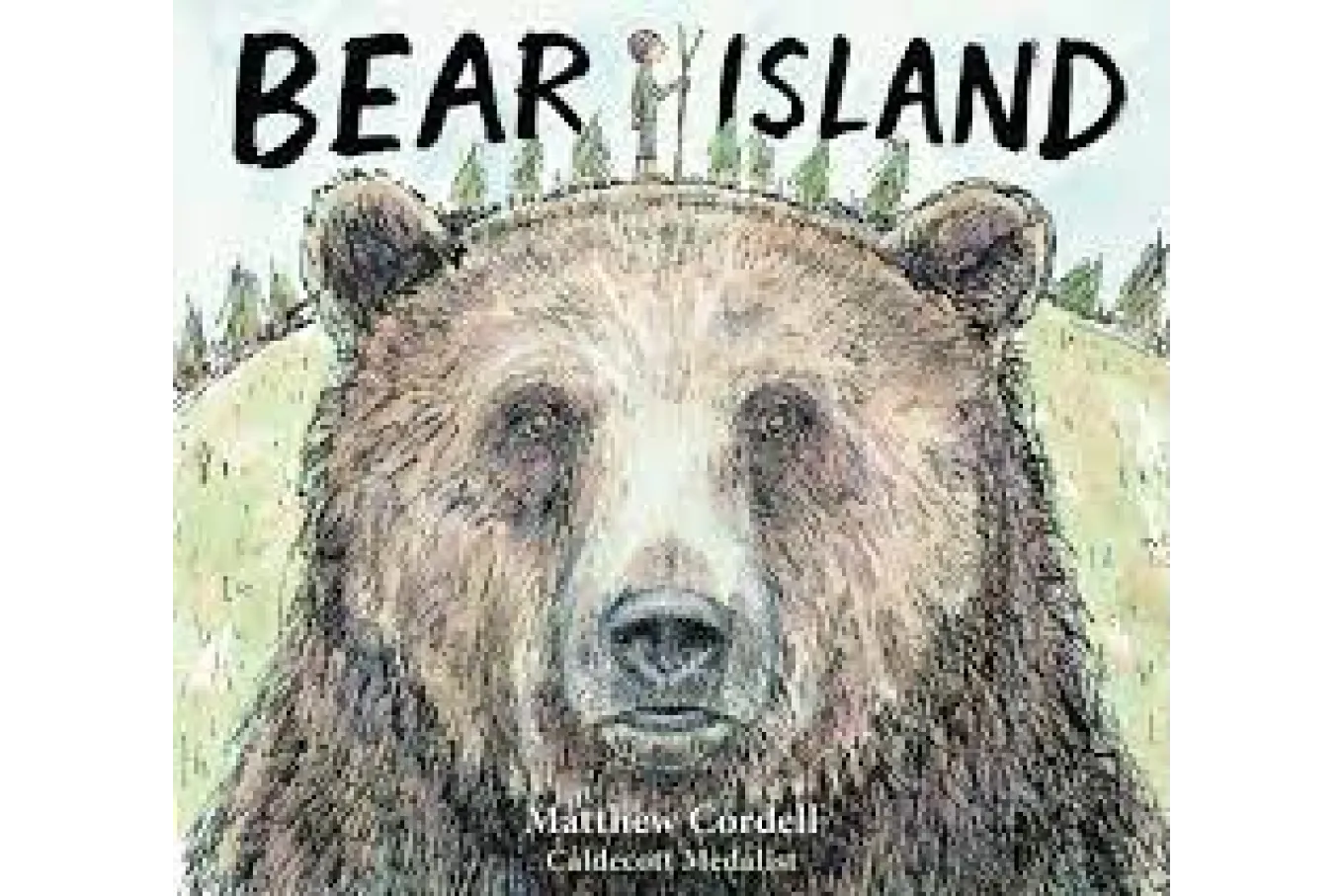
Bear Island
Published in 2021
Louise and her family are sad over the loss of their beloved dog, Charlie. "Life will not be the same," Louise says, as she visits a little island that Charlie loved. But on a visit to the island after Charlie's death, something strange happens: She meets a bear. At first, she's afraid, but soon she realizes that the bear is sad, too. As Louise visits more often, she realizes that getting over loss takes time. And just when she starts to feel better, it's time for Bear to bed down for the winter. Once again, Louise believes that life will not be the same. But sometimes, things can change for the better, and on the first warm day of spring, her family welcomes a new member. Here is a lovely, poignant story about loss and healing that will bring comfort to even the youngest readers.

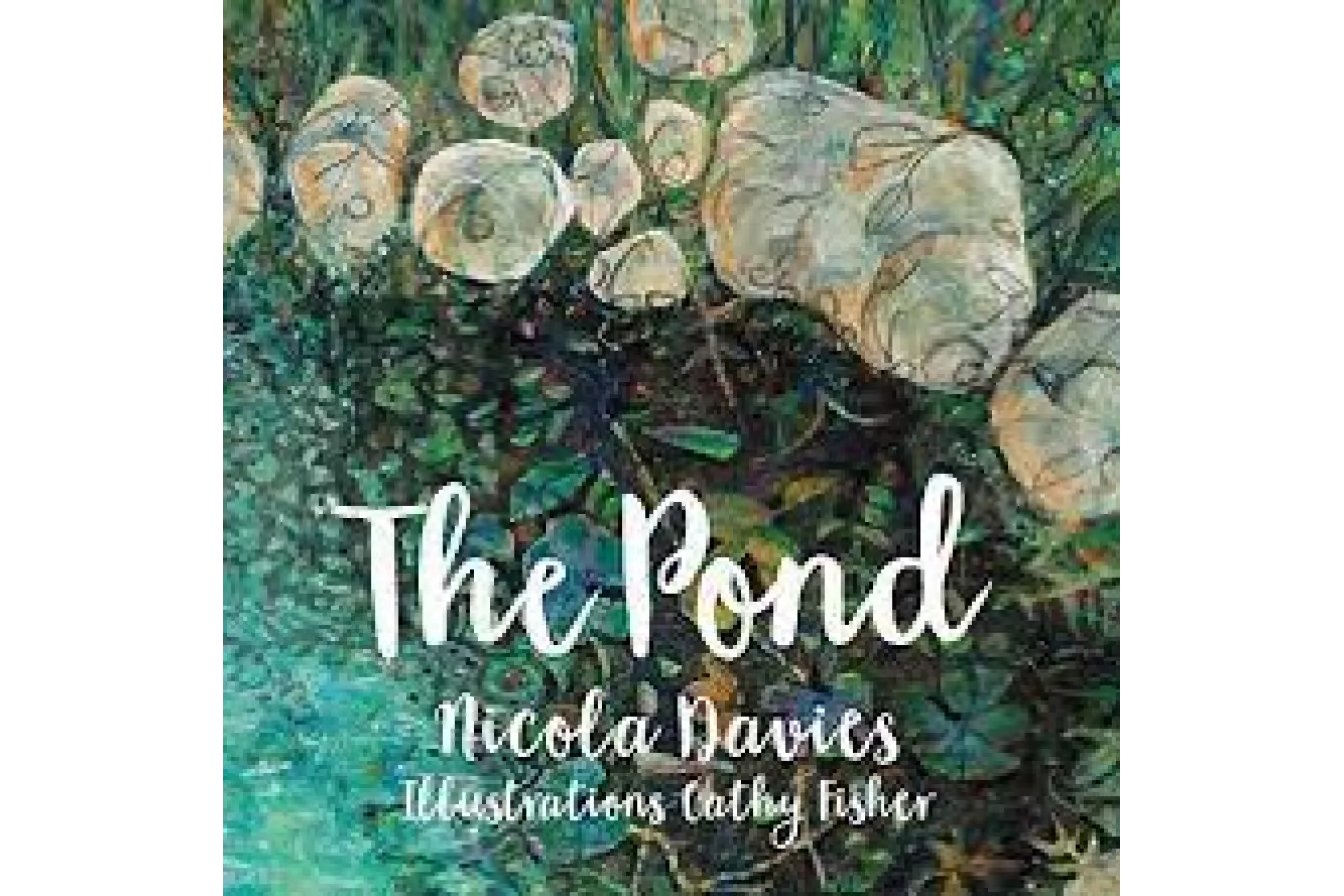
The Pond
Published in 2017
A young boy and his family are trying to overcome the loss of his father. The natural world becomes part of the healing process.

What is Goodbye?
Published in 2004
Alternating poems by a brother and sister convey their feelings about the death of their older brother and the impact it had on their family.

Maybe Dying is Like Becoming a Butterfly
Published in 2019
A philosophical conversation about death from the author of I Give You My Heart. "Are you going to die, Grandpa?" "Someday, sweetheart. But I hope not too soon." Their simple exchange covers a lot of philosophical ground. Grandpa allows that "no one really knows" what happens after death, but he tells Christopher that some people think of heaven ("a place without sadness or war"), others of rebirth ("each time, you get wiser"), and others of "nothing" ("the same as before you were born"). The pair discusses the whys of death ("dying is part of life"), birth ("to learn all sorts of things"), and feelings of fear or comfort about dying.

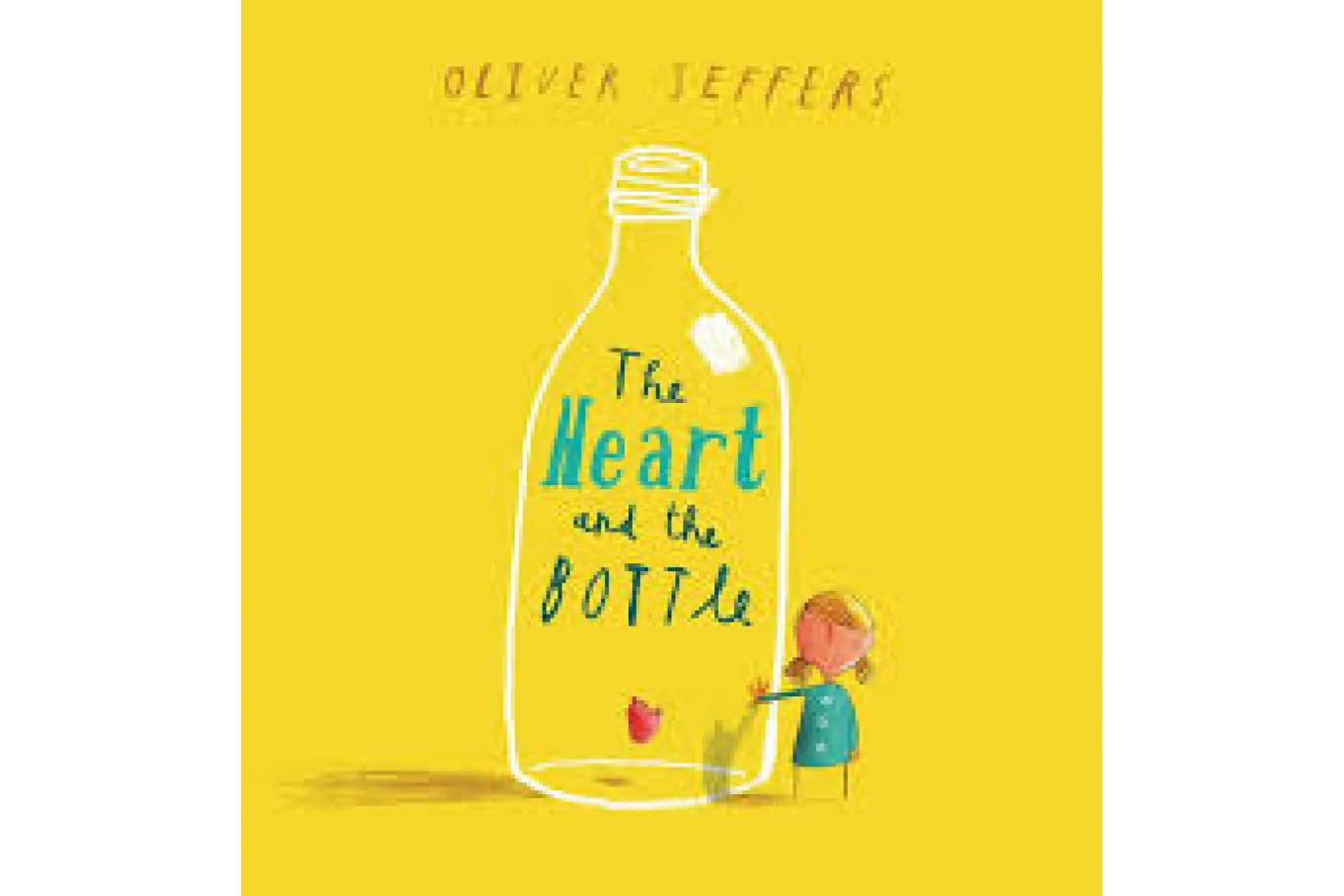
The Heart and the Bottle
Published in 2010
After safeguarding her heart in a bottle hung around her neck, a girl finds the bottle growing heavier and her interest in things around her becoming smaller.

One Day
Published in 2021
A story about loss and connection. After his grandfather dies, a young boy tries to deal with his grief and imagines where his grandfather is.

The Treasure Box
Published in 2022
Before he becomes very sick, Grandpa enjoys joining his granddaughter in her favorite activity, searching for things to add to her secret treasure box, including a broken robin's egg, a rusty spring, and a snakeskin that makes Grandpa squirm and make funny faces.

Out to Sea
Published in 2021
From the award-winning author of The Star in the Forest comes this heart- felt story about learning to cope with anxiety and grief. Out to Sea follows the journey of a young girl named Lara who is so sad after the death of her grandmother that her tears flood her room, her house, her town, and eventually sweep her out to sea. Adrift, she struggles to overcome her sadness until she discovers a pearl at the bottom of the ocean that triggers happy memories of her grandmother and the times they shared. With that pearl tucked in her pocket and the realization that she's not alone, Lara finds the strength to pick up her oars and row herself back home. Beautifully illustrated and written with sensitivity, this moving tale of social and emotional learning expresses the experience of anxiety and grief and shows readers how they might ride the waves of emotion without losing perspective.

A Last Goodbye
Published in 2020
"This book explores the death of a loved one through the parallel experiences of other species of animals, similar to Elin's treatment of nature in You Are Stardust and problem-solving in Wild Ideas. As with Elin's previous picture books, A Last Goodbye will combine simple, poetic text with a "big idea"--in this case, the idea that death is a natural part of our lives and that many species experience sadness and mourning when their loved ones are sick and dying. From elephants to killer whales, parrots to bonobos, lemurs to humans, many animals have rituals to commemorate their loved ones and to help them through difficult times. This book broaches a difficult and scary topic through a gentle and heartfelt exploration of the natural stages of life and loss. In a parallel way to how we will be remembered by our loved ones, the book goes on to explore the ways our bodies might be remembered by the earth, repurposed to continue replenishing new life."-- Provided by publisher.

Loss and Grief
Published in 2015
"The death of a loved one is a heartbreaking event in a child's life. This book will guide readers through the feelings and questions they might have after such a loss and identify what grief is and how it is different for each person. Readers are encouraged to accept their feelings and talk them out with the people in their support system."--Provided by publisher.

Addy's Cup of Sugar
Based on the Buddhist Story "The Mustard Seed"
Published in 2020
In this reworking of the Buddhist parable, Stillwater, a giant panda, teaches Addy that the grief she feels for the loss of her kitten, is part of life and is shared by everybody.

The Flat Rabbit
Published in 2014
When they find a rabbit flattened in the road, a dog and a rat decide to give the deceased animal a proper sendoff.

Mom's Sweater
Published in 2020
After the loss of her mother, a young girl and her dad find a new way to live with grief with the help of her mom's sweater.

Cry Heart, but Never Break
Published in 2016
"Aware their grandmother is gravely ill, four siblings make a pact to keep death from taking her away. But Death does arrive all the same, as it must. He comes gently, naturally. And he comes with enough time to share a story with the children that helps them to realize the value of loss to life and the importance of being able to say goodbye."--from amazon.com

Michael Rosen's Sad Book
Published in 2005
A man tells about all the emotions that accompany his sadness over the death of his son, and how he tries to cope.

Memoirs of a Tortoise
Published in 2020
Oliver the tortoise looks back on his happy life as he wonders why his pet human, Ike, who he has had for eighty years, has stopped visiting the garden.

What Happens when My Parent Dies?
Published in 2019
"The death of a parent isn't easy for a person of any age. Children, who do not yet fully understand death, may have an exceptionally hard time when their parent passes away. This book touches on many of the emotions that a child might feel during this difficult time--including grief, guilt, and fear--and offers advice on how to talk about these feelings. Some of the changes that may occur in a child's life after the death of a parent are also discussed."-- Provided by publisher.

Zayde Comes to Live
Published in 2012
When Rachel's beloved grandfather, Zayde, comes to spend his last days with her family, she worries what will happen when he dies, especially after friends tell her the Christian and Muslim beliefs about the afterlife.

The Yellow Suitcase
Published in 2019
"What memories will Asha's yellow suitcase hold now that grandmother is gone?"-- Back cover.

Lost in the Clouds
Published in 2021
"Children find grief and loss a difficult subject and understanding where a loved one has gone, can be a difficult topic to explain... Billy misses his Mommy very much. She lives in the clouds. Some days the sun is shining and Mommy's clouds are nowhere to be seen. Those are Billy's favorite days when he and Daddy would play in the garden all day long, and Billy knows that Mommy is letting the sun shine for them. But not all days are like that. Sometimes Mommy's clouds are dark, and Billy feels sad and alone. This moving and sensitively-written picture book gently explores grief and teaches children how to deal with loss and their emotions surrounding the death of a loved one. With beautiful and colorful illustrations to accompany the touching narrative, this children's book is perfect for adults to share with their little ones and to help them understand what they are going through"-- Provided by publisher.

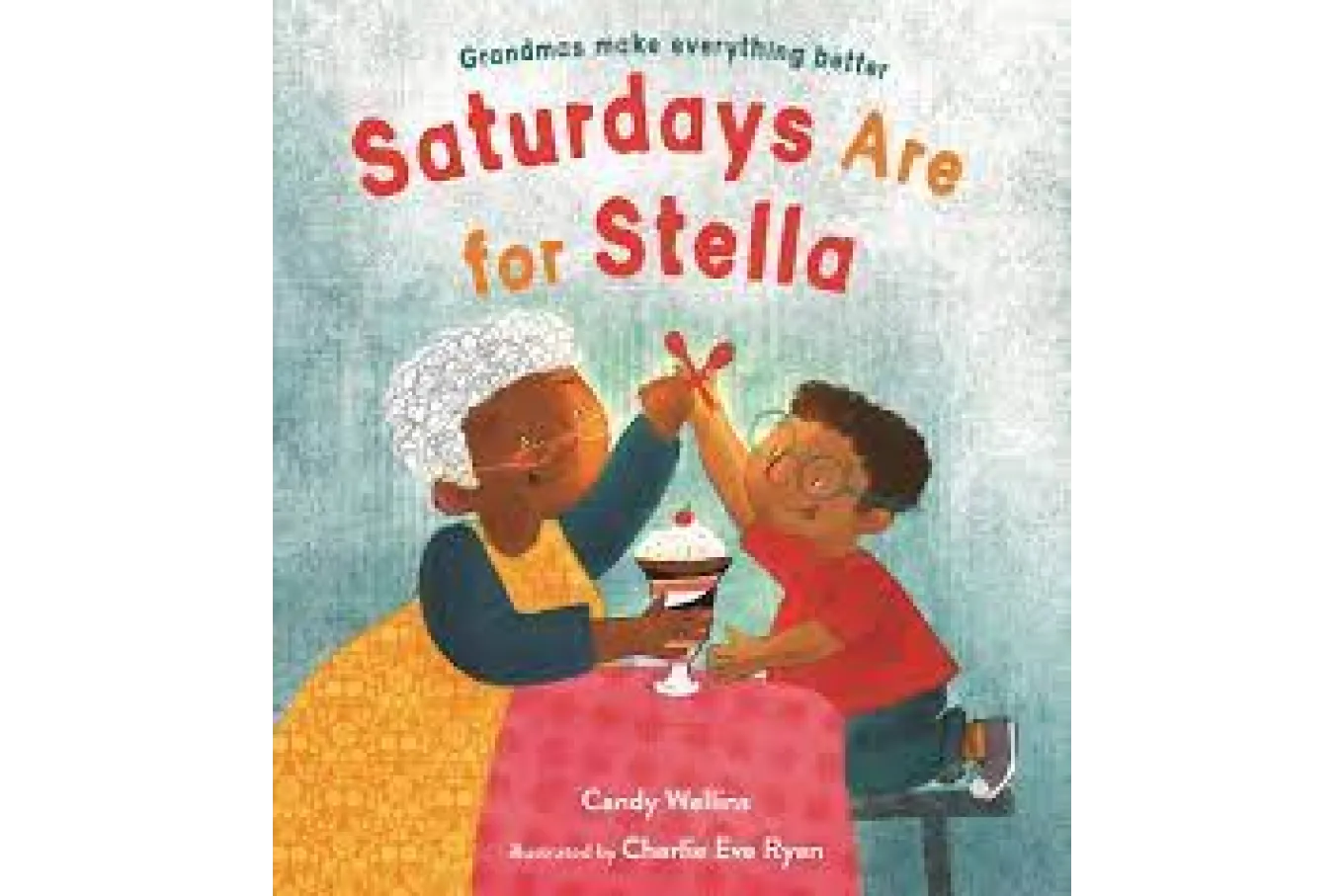
Saturdays Are for Stella
Published in 2020
George loves spending Saturdays with his grandmother, Stella. One day, Stella is gone and George is ready to cancel Saturdays--until a new addition to the family arrives and George finds a way to honor the memories of his beloved grandmother.

After Life
Ways We Think About Death
Published in 2018
Examines the history, beliefs, and customs surrounding death from cultures around the world.

Dear Moon
Published in 2020
"In this poignant story of grief and healing, Max learns that time will keep ticking and loss is inevitable, but memories last forever"--Page [4] of cover.

The Day Tiger Rose Said Goodbye
Published in 2011
A cat whose kitten days are far behind her says goodbye to her human family, and the animals and places that have made her life special, before leaving this life behind.
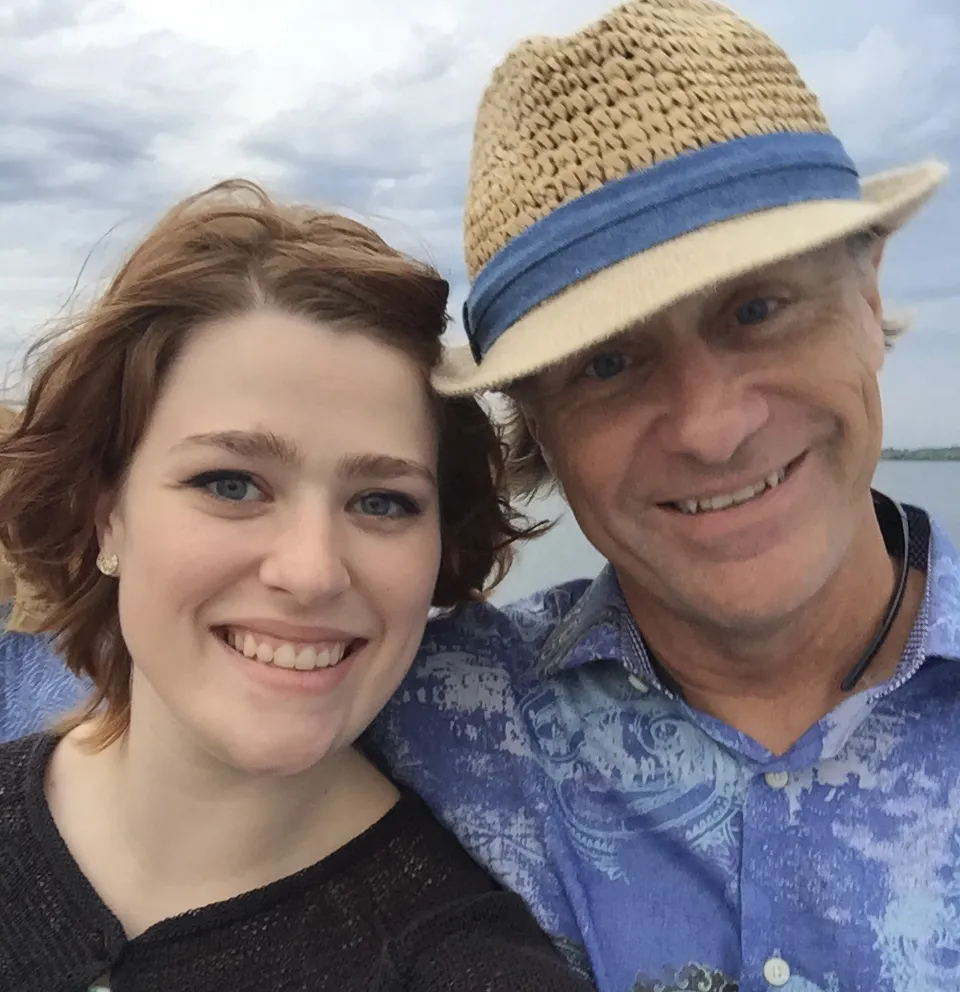
My father, Jeff, and I, on a summer evening in Charleston, 2016.
Photo by Caitlin Bockman; 2016.